
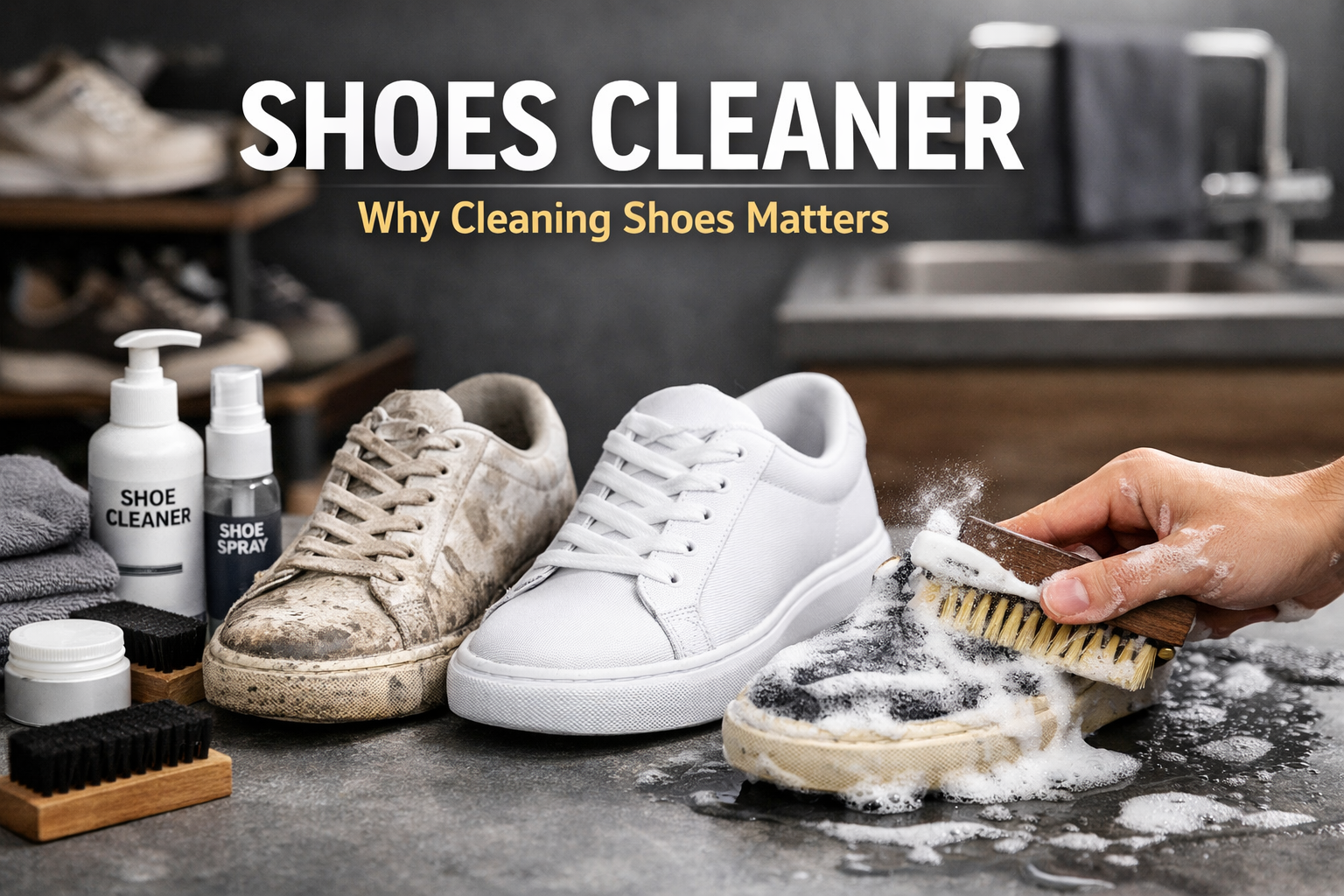
Why a Proper Shoes Cleaner is a Smart Investment
Your shoes are an investment. They complete your outfit and support you every day. A good shoe cleaner is not just a product; it is a tool for preservation. This guide explains how proper cleaning protects your footwear from the elements, maintains its appearance, and extends its life. We will cover the essential tools, step-by-step methods for every material, and how to build lasting care habits. You will learn to protect your style and your budget.
Many people see shoe cleaning as a chore. In reality, it is a simple act that protects your money and your style. Using the correct shoe cleaner prevents long-term damage that shortens a shoe’s life. This section explains why this routine matters.
How dirt and grime damage different shoe materials
Dirt is more than a stain. It acts like sandpaper. On leather, grit grinds into the finish, creating micro-scratches that dull the surface. For suede and nubuck, ground-in dirt mats the delicate nap, making it look flat and worn. On fabric sneakers, dirt combines with sweat and oils, leading to permanent discoloration and odors. A regular shoes cleaner removes these abrasive particles before they cause irreversible harm.
The cost of neglect vs. the value of regular cleaning
Neglecting your shoes has a clear cost. A pair of damaged leather shoes may need expensive professional restoration or early replacement. Compare this to the small, ongoing investment in a quality shoe care kit. Regular cleaning with the right products maintains the material’s integrity. It keeps shoes looking new for years. This practice saves money over time and ensures you always present your best self.
Essential Tools for Your Shoe Care Kit
A successful cleaning routine starts with the right tools. A basic shoe care kit is easy to assemble. Having these items on hand makes maintenance simple and effective.
Must-have brushes for leather, suede, and fabric
Brushes are your first line of defense. You need at least three types. A soft horsehair brush is for applying shoes polish and buffing leather. A stiffer bristle brush is for removing dried mud and debris from soles and welts. For suede and nubuck, a specialized suede brush with rubber bristles or a brass wire brush is essential. It lifts the nap and removes surface dirt without damaging the material.
Choosing the right shoes polish and conditioners
Shoes polish does two jobs. It adds color and provides a protective layer. Always match the polish color to your shoe. For deep nourishment, use a leather conditioner before polishing. Conditioners replenish oils that prevent leather from cracking. For a high-shine finish on formal shoes, use a wax-based polish and a polishing cloth.
Specialized cleaners for athletic and formal shoes
One shoes cleaner does not fit all. Leather shoes need a pH-balanced cleaner. Suede requires a dry cleaner or a specific suede foam. For athletic shoes made of mesh and synthetic materials, use a mild soap or a dedicated sneaker cleaner. Using the wrong cleaner can strip finishes or set stains. Always check the product label for the recommended material.
Step-by-Step Cleaning Process by Shoe Type
Each shoe material has unique needs. Follow these specific methods to clean effectively without causing damage. A good shoes cleaner works best with the right technique.
How to clean and polish leather formal shoes
Start by removing the laces. Use a dry brush to knock off loose dirt. Apply a small amount of leather shoes cleaner to a damp cloth and wipe the entire surface. Let the shoes dry completely away from direct heat. Once dry, apply a leather conditioner with a cloth. After it absorbs, apply a matching shoes polish in circular motions. Let it dry, then buff with a soft brush and a cloth for a shine. This process keeps formal shoes looking sharp.
Gentle cleaning techniques for suede and nubuck
Never use water on suede initially. First, use a suede brush to brush off dry dirt in one direction. For stains, use a suede eraser. For deeper cleaning, apply a small amount of suede-specific shoes cleaner with a soft brush. Work in gentle circles. After cleaning, use the suede brush again to restore the nap. Allow the shoes to air dry. Finally, apply a suede protector spray to guard against future stains.
Refreshing fabric sneakers and athletic shoes
Remove the laces and insoles. Pre-treat stains with a mild detergent or sneaker cleaner. Use a soft-bristled brush and the shoes cleaner to scrub the fabric upper. Focus on stained areas. Rinse with a damp cloth, avoiding soaking the shoe. Stuff the shoes with paper towels to help them keep their shape. Let them air dry naturally. Never put fabric shoes in a dryer, as the heat can warp them.
Preserving Your Investment with Proactive Care
Cleaning is reactive. Proactive care prevents damage before it starts. A simple routine integrated into your week protects your shoes from common threats.
Creating a simple weekly and monthly maintenance routine
A weekly routine takes five minutes. Brush off dirt and dust from all your worn shoes. Wipe leather shoes with a dry cloth. This prevents buildup. Once a month, do a deeper inspection and conditioning. Check for scuffs, apply shoes polish where needed, and condition leather. This consistent care makes your shoe care kit work for you.
Proper storage solutions to prevent damage in Saudi climates
Climate matters. Heat and dust are common in Saudi Arabia. Always store shoes in a cool, dry place away from sunlight, which can fade colors. Use shoe trees for leather shoes to absorb moisture and maintain shape. For dust protection, keep shoes in their original boxes or fabric bags. Avoid plastic bags, as they trap humidity and can cause mildew.
Seasonal care tips for sand, dust, and humidity
Sand and dust are abrasive. After wearing shoes in sandy conditions, tap them together to remove loose grains. Then, use a brush from your shoe care kit before the sand grinds in. In humid weather, let shoes air out completely before storing them. Use moisture-absorbing packets in your storage area. Applying a protective spray suitable for the material can create a barrier against dust and light moisture.
Advanced Techniques and Troubleshooting
Even with good care, accidents happen. Knowing how to handle tough situations can save a favorite pair of shoes.
Removing stubborn stains like oil, salt, and ink
For oil stains on leather, sprinkle talcum powder to absorb the oil, leave it overnight, then brush off. Salt stains from winter or sweat should be wiped with a 50/50 mix of water and white vinegar, then cleaned with a leather shoes cleaner. Ink stains are difficult. On leather, try a dab of rubbing alcohol on a cotton swab, but test in a hidden area first. For fabric, a specialized stain remover may be needed.
Reviving scuffed, faded, or discolored shoes
Deep scuffs on leather can often be fixed. Clean the area, then use a leather filler or a matching cream shoes polish to fill the scratch. Buff well. For faded color, a colored cream polish can restore richness. For discolored white sneakers, a paste of baking soda and hydrogen peroxide can be applied, but sun-bleaching is a gentler method. Place cleaned, damp sneakers in indirect sunlight to dry.
When to DIY and when to seek professional repair
You can handle most cleaning and minor polish jobs with your shoe care kit. Seek a professional cobbler for deep structural damage, like separated soles, broken heels, or significant tears in the leather. They have the tools and expertise for repairs that DIY methods cannot match. It is a worthwhile investment for high-quality footwear.
Common Shoe Cleaning Mistakes to Avoid
Good intentions can lead to damage if you use the wrong methods. Avoid these common errors to keep your shoes in top condition.
Using harsh chemicals that degrade materials
Household cleaners like bleach, ammonia, or strong detergents are too harsh for shoes. They can strip dyes, break down leather fibers, and ruin waterproof coatings. Always use a dedicated shoes cleaner formulated for the specific material of your footwear.
Over-polishing or using the wrong polish color
More polish is not better. A thick layer of shoes polish will crack and look uneven. Apply thin, even coats. Using black polish on brown shoes is a common error that causes permanent discoloration. Always test polish on a small, hidden area first if you are unsure of the match.
Improper drying techniques that cause damage
Never dry shoes directly on a heater, in a clothes dryer, or in strong sunlight. Intense heat causes leather to crack, glue to melt, and materials to warp. Always air dry shoes at room temperature. Stuff them with paper to absorb moisture and maintain their form as they dry.
Conclusion:
Caring for your shoes is a simple habit with significant rewards. A reliable shoes cleaner and a basic shoe care kit are all you need to start. Regular maintenance preserves the style, comfort, and value of your footwear. It ensures you look polished and feel confident every day. Start with one pair this week. Clean them, condition them, and see the difference.
(FAQs)?
How often should I use a shoes cleaner?
It depends on use. For shoes worn daily, a quick wipe-down with a damp cloth should happen weekly. A full clean with a dedicated shoes cleaner should be done every 4-6 weeks, or immediately after exposure to mud, salt, or heavy stains. Leather conditioning and polishing can be done every 2-3 months.
Can one shoe care kit work for all my footwear?
A basic kit with a soft brush, a stiff brush, and a universal cleaner can handle many tasks. However, for optimal care, you need specialized products. Suede requires a specific brush and cleaner. White sneakers need a non-yellowing formula. Investing in a few extra tools for different materials will give you the best results from your shoe care kit.
What’s the best way to clean white sneakers in a dusty climate?
In dusty climates like Saudi Arabia, prevention is key. Apply a fabric protector spray when the sneakers are new. For cleaning, brush off dry dust first. Then, use a mild soap or a white sneaker-specific shoes cleaner and a soft brush. Rinse with a damp cloth and air dry in the shade. Regular, light cleaning prevents dust from becoming a ground-in stain.
Discover the Elegance of Perfectly Maintained Formal Shoes
The mark of true style is in the details. A pair of well-kept formal shoes speaks volumes about your attention to care and quality. The right shoes polish and cleaning routine are what maintain that sharp, elegant look year after year. Explore our guide to find the perfect pair and learn how to protect your investment from day one.